So, Why Choose Strategix India Consulting?
Entering the Indian market requires more than ambition—it demands insight, precision, and a partner who understands the complexities beneath the surface. At Strategix India Consulting (SIC), we serve as your strategic bridge to India, offering one-stop, end-to-end market entry and growth solutions for global brands seeking sustainable success.
What sets us apart is our deep-rooted understanding of Indian consumer behaviour, regulatory frameworks, and evolving market dynamics. India is not a single market but a collection of diverse regions, cultures, and buying patterns. Our on-ground expertise enables us to decode this complexity and translate it into actionable, real-world strategies that deliver measurable results.
We combine data-driven insights with local intelligence and global industry experience, ensuring that every decision—whether related to positioning, pricing, partnerships, or compliance—is informed, strategic, and future-ready. Our approach minimizes risk, shortens learning curves, and accelerates market acceptance.
From Market Research & Feasibility Studies to Regulatory Alignment, Localization, Go-to-Market Strategy, Marketing Execution, and Operational Support, we manage the entire journey. We work closely with you at every stage, acting not just as consultants, but as long-term strategic partners invested in your success.
The Real Challenges International Brands Face in the Indian Market
International businesses entering India often underestimate the real challenges of the Indian market, leading many global brands to struggle or exit prematurely. From misunderstanding Indian consumers—including flavour preferences, pricing sensitivity, packaging habits, and cultural communication—to facing complex regulatory and compliance frameworks such as FSSAI, CDSCO, BIS, and labelling norms, the barriers are significant. Challenges around product and formula localisation, climate suitability, ingredient restrictions, and reformulation costs further delay launches. Add to this India’s fragmented distribution ecosystem, high margin expectations, logistics complexity, pricing pressures from duties and GST, and the critical need to build trust and credibility with Indian consumers, and the risk multiplies. Without a data-driven go-to-market strategy, phased entry plan, and strong local partners, even premium international brands fail to scale. This is where Strategix India Consulting plays a critical role—helping global companies navigate India market entry with clear strategy, regulatory alignment, localisation expertise, trusted distribution networks, and execution-focused growth support for long-term success in India.

Empowering Businesses to Enter, Scale, and Succeed in the Indian Market
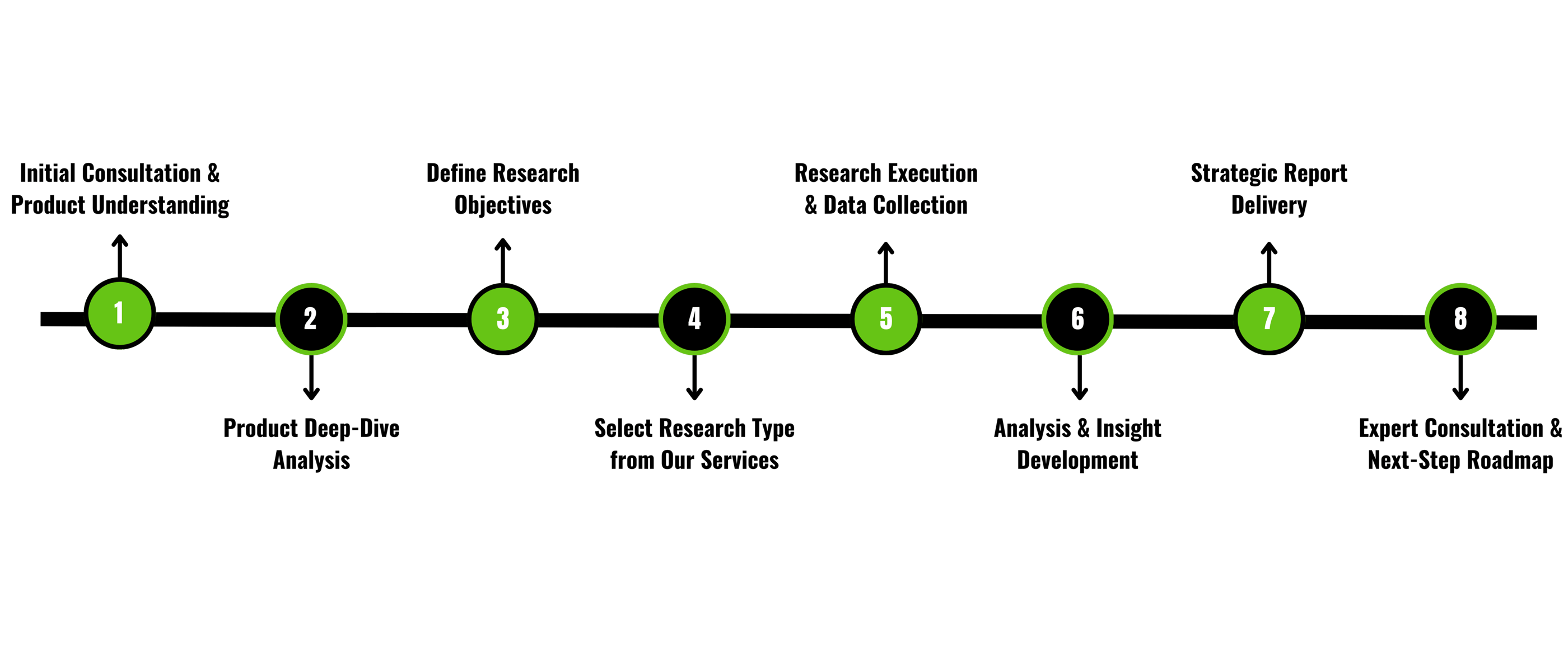
How we do it
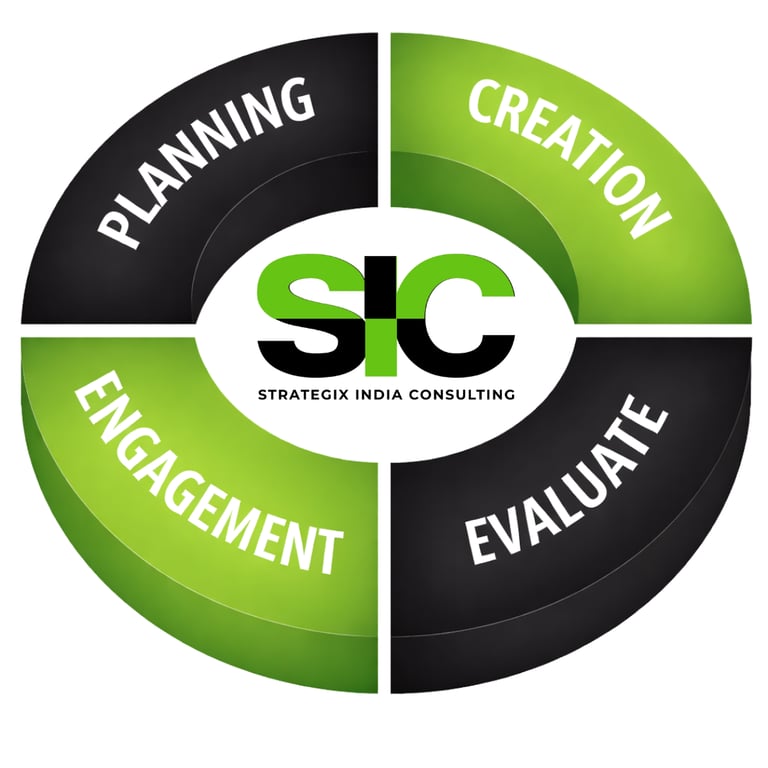
1) Planning
We analyse your product, objectives, and expectations from the Indian market.
Clear research goals, assumptions, and success metrics are defined upfront.
2) Creation
We select the right research approach and execute data-driven market analysis.
Insights are translated into India-ready strategy, positioning, and recommendations.
3) Engagement
We present findings through a detailed report and expert consultation.
Strategic discussions help align decisions with real market opportunities.
4) Evaluation
We assess outcomes, risks, and readiness for market entry or expansion.
Actionable next steps and optimisation roadmap are finalised.
These stages are not isolated steps but interlinked processes, where the effectiveness of one directly strengthens the next. A well-defined Planning strategy lays the foundation for seamless Creation, reducing friction and inefficiencies. When Creativity is purpose-driven, it naturally engages consumers and builds brand affinity.