
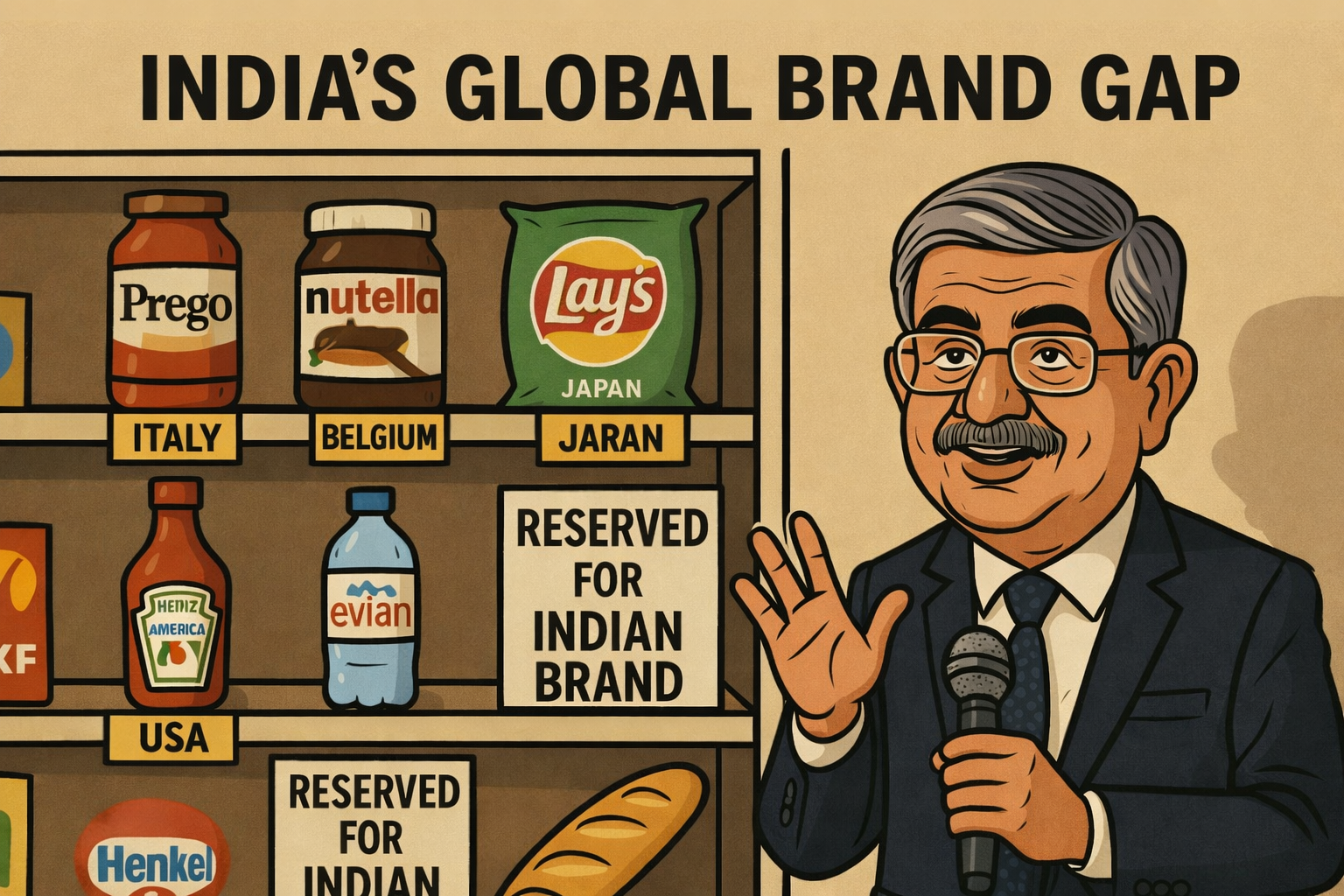
In the global rush to tap into India’s vast consumer market, a recurring and often underestimated barrier stands in the way of many international brands: a trust deficit. Unlike markets where brand reputation alone can drive trial, Indian consumers approach new international products with a blend of curiosity and caution that is deeply rooted in socio-cultural behavior, past experiences, and a historically strong preference for familiar, locally endorsed choices. This nuanced consumer skepticism is not a superficial resistance — it is backed by data, shaped by collective buying patterns, and reinforced by research into Indian purchasing psychology. Understanding why Indian consumers hesitate to try new international brands requires a deep exploration into credibility concerns, safety perceptions, ingredient skepticism, and the critical role of education-led marketing in building long-term trust.
To begin with, it is important to recognize the speed and scale of India’s consumer evolution. With an estimated middle-class population projected to grow to 580 million by 2025, rising disposable income, and rapidly increasing access to information through digital platforms, Indian consumers are more informed and discerning than ever before. A report by Nielsen highlights that Indian shoppers actively seek value and relevance, rather than buying purely on global brand prestige. This trend is especially pronounced outside the major metros, where consumers rely heavily on personal experience, family recommendations, and tangible proof of a product’s benefit before adopting new brands. In markets like the United States or Europe, international labeling, familiar certifications, and the presence of global advertising campaigns can be enough to elicit trust. In India, however, consumers frequently ask: Does this product work in my environment? Is it safe given local conditions? Does it align with my beliefs, habits, and expectations?
This cautious approach is particularly visible in categories related to health, wellness, and personal care, such as nutraceuticals, cosmetics, and baby foods. Here, consumers are not just buying products — they are investing in perceived wellness, safety, and long-term benefits. Research by Euromonitor International reveals that Indian consumers cite safety and ingredient transparency as top drivers of purchasing decisions for such categories, often outranking brand origin or global reputation. A global multivitamin brand that enjoys a cult following in Western markets, for example, may struggle when first introduced in India if its ingredients are unfamiliar to local consumers, or if it lacks clear explanations of how these ingredients benefit Indian lifestyles, diets, and health priorities. Consumers may hesitate not because of skepticism of quality per se, but because they do not see a clear, translated relevance of that quality to their everyday lives.
Safety concerns are particularly heightened in the food, beverage, and nutraceutical sectors. India’s historical challenges with adulteration, counterfeit products, and inconsistent regulatory enforcement in unorganized markets have instilled a degree of caution among consumers. A report by the Food Safety and Standards Authority of India (FSSAI) highlights ongoing consumer concerns about product authenticity and manufacturing standards, particularly in categories like packaged foods, dairy alternatives, and supplements. Even when a product is fully compliant with Indian regulations — including FSSAI certification — the absence of familiar trust cues, such as local health endorsements, regionally understood ingredient benefits, or consumer testimonials, often leads to hesitancy and slow adoption. Indian buyers, especially outside cosmopolitan hubs, look for familiarity and validation, often through word-of-mouth or local influencers, before moving beyond first trial.
Ingredient skepticism is another layer of the trust deficit. Indian consumers are deeply sensitive to ingredients — not just for health reasons, but also due to cultural and religious considerations. Ingredients perceived as “foreign,” “chemical,” or “non-traditional” can trigger resistance, even when scientifically safe and effective. In cosmetics, for example, ingredients like parabens or silicones — accepted widely in Western formulations — are often viewed with suspicion in India unless accompanied by transparent education about their safety and purpose. Similarly, in the nutraceutical space, Western herbal extracts unfamiliar in Indian Ayurvedic traditions may struggle against skepticism unless brands invest in localized education campaigns that contextualize their benefits alongside indigenous healing wisdom. Studies by industry analysts at Mintel underscore the importance of ingredient familiarity and interpretable benefits for Indian consumers, noting that products perceived as “natural,” “trusted,” or “locally validated” consistently outperform those with exotic yet unexplained ingredient lists.
Global brands that underestimate the importance of educational storytelling often find that visibility does not automatically translate into credibility. This is supported by research from Nielsen India, which shows that products backed by demonstrable educational content — in the form of sampling campaigns, interactive demonstrations, expert endorsements, or localized advertising explaining specific benefits — achieve significantly higher trial-to-repeat purchase ratios than those relying solely on brand heritage messaging. In health and wellness categories especially, Indian consumers want to understand not just what a product does, but why it does so in a way that matters to their body, environment, and lifestyle. Without this clarity, hesitation persists, and repeat purchase becomes elusive.
Consumer trust is also shaped by expectations around post-purchase support and accountability. In many Indian communities, particularly in non-metro areas, the decision to adopt a new product is influenced by the anticipation of reliable customer support, easy return or refund policies, and accessible brand communication channels. International brands that offer excellent digital engagement but lack localized service mechanisms, multilingual support, or clear return policies often lose early adopters who expect a safety net for new experimentation. Research by the Boston Consulting Group highlights that trust in service infrastructure — including responsive customer care and transparent grievance redressal — plays a pivotal role in repeat purchase behavior among Indian consumers.
Another dimension of the trust deficit emerges from the blurring lines between global positioning and local relevance. Indian consumers may admire global brands for their quality and innovation, but they also seek cultural resonance — a sense that the product understands their specific use occasions, regional habits, and lifestyle patterns. For instance, a global personal care brand that markets a moisturizer for “all-day hydration” might miss the mark for consumers in humid coastal regions who prioritize non-greasy formulations that withstand heat and humidity. Without localized positioning that speaks directly to these lived experiences, even scientifically excellent products can feel out of touch.
The trust challenge is further complicated by the rise of social media and peer-driven influence networks. Indian consumers rely heavily on reviews, influencer recommendations, and social proof before trying new products. A global brand’s reliance on traditional advertising alone is often insufficient; instead, brands that integrate localized storytelling, community engagement, and culturally resonant endorsements build trust faster and more sustainably. Research by Euromonitor and Mintel both emphasize the rise of community-driven validation — where Indian consumers look for signals from people who share their language, cultural context, and consumption patterns before adopting new offerings.
At its heart, the Indian consumer’s hesitation to try new international brands reflects a deeper journey of bridging credibility gaps. Consumers do not reject global brands because they are international; they hesitate because they lack familiar frames of reference, localized assurances, and contextual education that help translate unfamiliar quality into everyday relevance. The brands that succeed in overcoming this trust deficit are those that do not simply push products into the market, but invest in building relationships with consumers, speak to their concerns, address their questions upfront, and provide transparent, culturally meaningful narratives that marry global quality with local relevance.
For international brands seeking durable success in India, the strategy must begin long before the first product hits the shelf. It must start with an empathetic understanding of Indian consumer psychology, a commitment to transparent education, and a willingness to engage in culturally aligned storytelling that honors both quality and context. Only when credibility is established — not assumed — does consumer acceptance follow, transforming Indian hesitation into enduring brand loyalty and long-term market growth.


Conclusion
The hesitation Indian consumers show toward new international brands is rooted not in resistance to global quality, but in a deeply ingrained need for credibility, safety, and contextual relevance. Trust in India is earned through transparency, familiar validation, and clear education that translates unfamiliar ingredients and benefits into locally meaningful value. Brands that rely solely on global reputation or aspirational messaging often struggle, while those that invest in education-led marketing, localized storytelling, and visible assurances of safety and accountability are far more likely to convert curiosity into confidence. In India, consumer acceptance follows trust—and trust is built deliberately, not assumed.